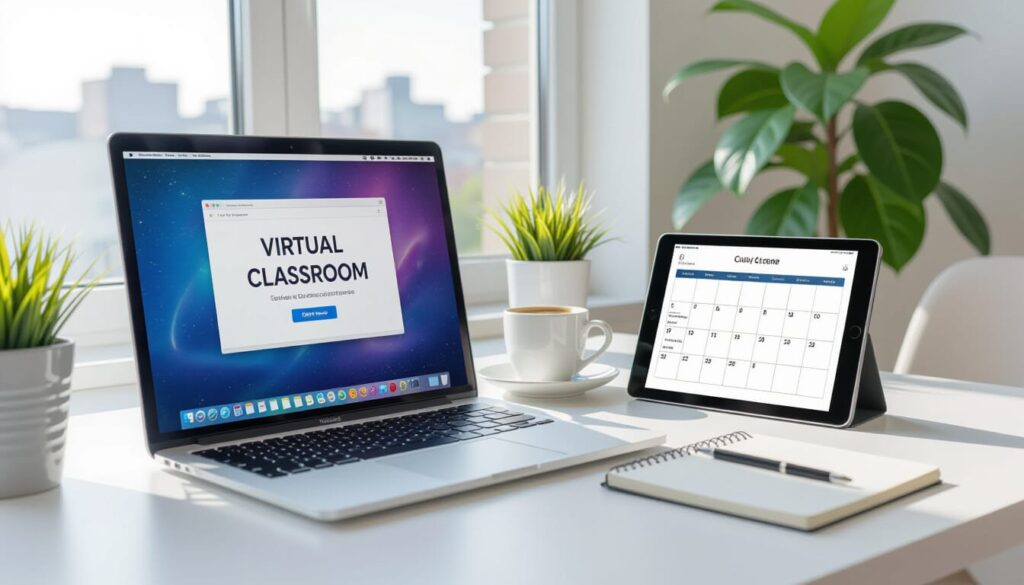
Remote education has become the new reality of contemporary education. It is not a short-term solution. Digital classrooms are dependent on millions of students and professionals. In that way, the achievement of students depends on the ability to secure an optimal learning environment.
A disorganized environment can never give high performance. Sitting and studying on a couch or at a busy dining table will not help you achieve your potential. It usually brings about physical uneasiness and mental exhaustion. Nevertheless, learning is transformed through a well-planned space. It gives a great deal of concentration. It elevates your motivation. It guarantees long-lasting productivity of the day.
This step-by-step guide will elaborate on each step. You are going to know the way to create the Perfect Home Study Space for Remote Learning. In your new learning environment, you will strike a balance between comfort, functionality, and style.
Why a Dedicated Space is Essential
Most people do not give enough attention to the environment. They feel that they are able to study anywhere. This thinking is flawed. A specified study area can really have a positive influence on your studies. Studies prove that our environment is a powerful influence in influencing our behavior and concentration.
The Psychology of Space
Location-based association is made by your brain. When you lie in bed, your brain will be telling you to take a rest. Attending there is bewilderment. This issue can be addressed at a certain point. It creates a cognitive boundary. When you enter such a zone, your brain changes to work mode. Your mind is able to relax when you leave. This is an essential division that will prevent mind exhaustion and burnout. It helps in regular and good study routines.
Physical Health and Posture
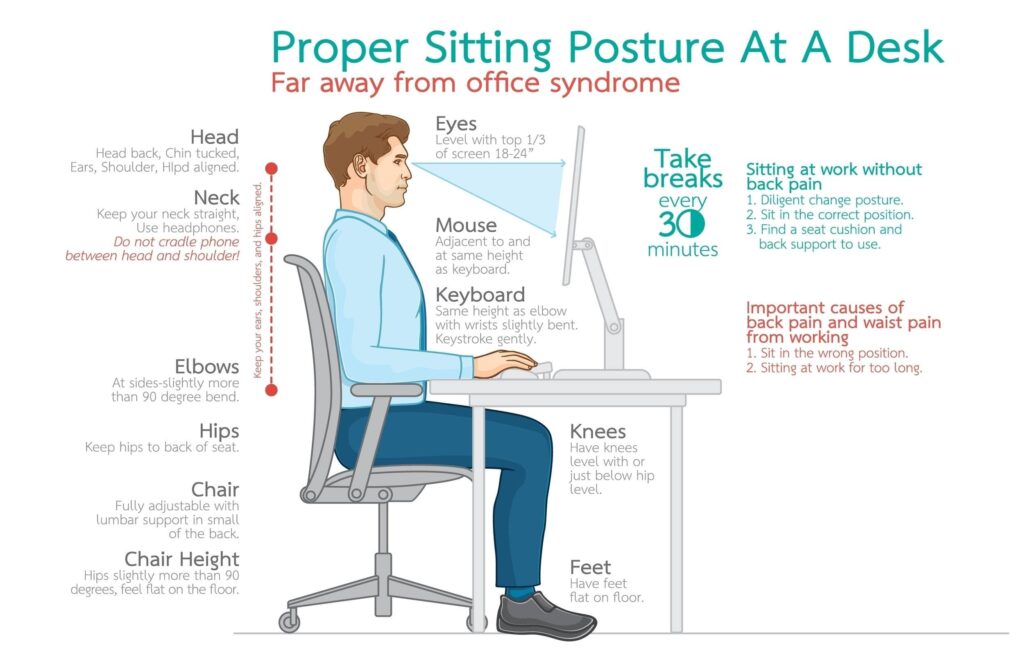
An improvised position is likely to promote poor posture. This is bound to result in back pain and neck strain. The Perfect Home Study Space for Remote Learning provides the opportunity to make certain ergonomic changes. You are able to put your chair and desk in place. This safeguards your physical well-being in the long run.
Step 1: Choose the Right Location
The choice of the most appropriate location is the basis of your space. Where you are determines whether you will get light or whether you will get quiet.
Finding Your Quiet Corner
Ideally, use a spare room. A closed door serves an important purpose of blocking noise. It sends an indication to the members of the families that you need to be given concentrated attention. When there is a shortage of space, then there is no need to worry. You can make a nook out of a spot. Find out hidden places in the bigger rooms. Individualized wardrobe (a “cloffice”) is a great idea.
The key is consistency. Select one place and remain with it every day.
Managing Noise and Traffic
Do not park in places of heavy traffic. There is a lot of noise and smell in the kitchen. There are evident distracting elements in the living room, such as the television.
Select a position that is not close to the main household activity. In the event that you are living with others, share your schedule. Have definite quiet times which observe your concentration time.
Utilizing Natural Light
It is very advisable to place your desk close to a window. The sunlight does boost your spirits. It helps in lowering eye strain. The natural sleep cycle is helped by sunlight. Improved sleep is directly proportional to learning ability.
Be cautious of glare. Do not look out of the window on sunny days. Do not put the window at the back of your screen. The optimal location is normally opposite the source of light.
Step 2: Prioritize Ergonomics
You will have a lot of time in this area. Ergonomics, therefore, is an imperative, not a luxury, in health aspects. A bad setup causes fatigue. It causes chronic pain and recurring strain injuries. You have to spend on appropriate equipment for your Perfect Home Study Space for Remote Learning.
The Ergonomic Chair
The first investment is your chair. Temporary dining chairs should not be used. They are not provided with the required support.
Purchase an office ergonomic chair. It should be adjustable in terms of height. It is important to have lumbar support for your lower back. Your legs need to be kept at right angles. A footrest may be needed to ensure that the thighs are parallel to the ground.
Setting Up the Desk
Desk height is paramount. Your elbows have to be at 90 degrees when typing. Your wrists must be straight and loose. When there is too high a desk, your shoulders will become tight. When it is too low, you will stoop forward.
Think about a standing desk or a converter. Altering the position of the body keeps blood in motion. This serves to keep the energy levels up.
Monitor Alignment
The position of the screen has an impact on your neck. Your monitor should be positioned at eye level. You cannot keep on looking down.
When one always looks downwards, the neck gets strained. Lift the screen by using a monitor stand. The monitor should be positioned a distance of about an arm’s length to reduce eye strain.
Step 3: Invest in Smart Lighting
Low lighting is very detrimental to productivity. It creates tension and constant headaches. Layered lighting is required in your Perfect Home Study Space for Remote Learning.
Ambient vs. Task Lighting
The ceiling lights are also inadequate. They tend to cast shadows on your work table. You must have specific work lights.
Invest in an LED desk lamp. Search for the adjustable light source. You are able to focus the light precisely on what you are working on.
Color Temperature Matters
The color of light influences the brain. It is relaxing under warm yellowish light. Use this for casual reading. Cold and bluish-white light imitates daylight. It enhances vigilance and attention. Turn on the cool light when studying intensively.
The modern fixtures can be adjusted in terms of temperature. This assists you in moving your learning environment through the day.
Step 4: Organization and Storage
The office is untidy, which causes the mind to be disorganized. One of the major distractors is visual chaos. To attain deep focus, organization is important.
The Clean Desk Policy
Maintain a clear workspace. Assess only the necessary objects on the desk table. This may consist of your laptop, a pen, and a notepad.
All the rest should have their own storage space. Use drawers for supplies. Use textbooks and binders on shelves.
Maximizing Vertical Space
Store upwards in small spaces. Place suspended shelves over your desk. This eliminates valuable desk space.
Walls made of pegboard are flexible organization aids. They assist in handling paperwork and minor supplies. They are trendy and very useful in small spaces.
Taming Paper Clutter
Paper is a simple way of accumulation in remote learning. Adopt a real-time filing system. Provide tray organizers for the inbound and outbound papers. Check significant documents and store them online. Physical paper should be recycled often in order to keep the appearance clean.
Step 5: Incorporate Technology Essentials
Virtual classes depend on technology. An ideal technical installation eliminates exasperating breakdowns.
Stabilizing Your Internet
It is based on a high-speed and reliable connection. Delayed video calls are distracting and get in the way of lectures.
Connection stability is achieved by using an Ethernet cable. Wireless networks can never be as good as wired connections. When making use of Wi-Fi, sit close to the router or apply a signal booster.
Audio Quality
spend money on headphones, noise-dancers. They are essential in avoiding domestic noises. They generate an air bubble of hyper-focus.
Besides, make certain that the microphone is clear. The poor laptop microphone is a deterrent to communication. An independent USB microphone will make sure you attend virtual classes well.
Cable Management
Pieces of cable that are not tidied appear disorganized and get dusty. While holding cords in place, use organizers.
Velcro laces are very efficient and cheap. Pile up chargers with desk clips so that they are not messy. A surge protector is necessary in order to protect your precious equipment.
Step 6: Atmosphere and Personalization
The Perfect Home Study Space for Remote Learning must not be clinical. You need to have fun there.
Biophilic Design
Introducing indoor plants. This is termed biophilic design, which lowers stress. Plants enhance the quality of air and increase productivity. The best are low-maintenance plants such as the succulents.
Motivation and Decor
Personalize your wall space. Have a vision board that shows your objectives. Display motivational artistic works or quotes that encourage students to succeed.
Consider color psychology. Blue induces relaxation and concentration. Yellow fosters dynamism and innovativeness.
Sensory Input
Use subtle aromatherapy. The concentration can be improved with peppermint oil. Lavender is useful in relieving stress.
Prepare an undistracting playlist to study. The rhythm is given through instrumental music or Lo-fi beats, without interference to hinder your verbal processes.
Step 7: Maintain Boundaries and Habits
Optimization needs to be in space. Remote learning involves strict personal time management.
Establish a Routine
Treat your studies like a job. Begin at the same time of day. Get out of pajamas to notify the brain that it has started working.
Establish a clear end time. When you are ready to leave, literally get out of the learning space. This is necessary in avoiding mental fatigue.
Use Focus Techniques
Do not strive for long study durations. Loss of concentration fades away. Adopt the Pomodoro Technique. Continue working for 25 minutes and have a break of 5 minutes. Take a break to stretch and take your eyes off screens.
Digital Wellness and Breaks
Protect your vision. Follow the 20-20-20 rule. View an object to your right at 20 feet after every 20 minutes that lasting 20 seconds.
This relaxes the eye muscles. It is an imperative aspect of digital wellness. The evening hours should be used when blue light filters are used to guard against adversely affecting sleep.
Final Thoughts
It is quite possible to create the Perfect Home Study Space for Remote Learning. You do not need a large budget. You need a smart strategy. Create the basic setting: a back-to-nature environment and good ergonomics. Improve the lighting next. Next, emphasize order and technological predictability. A potent means of learning is your learning environment. It must bring about discipline and student achievement.
You spend time in your space and subsequently spend on your future. You have positioned yourself to succeed in online education and the transformed education environment. Do it today and make a productive corner out of your corner a productive one.